
Best Solar Panel Cleaning Robots in Indonesia
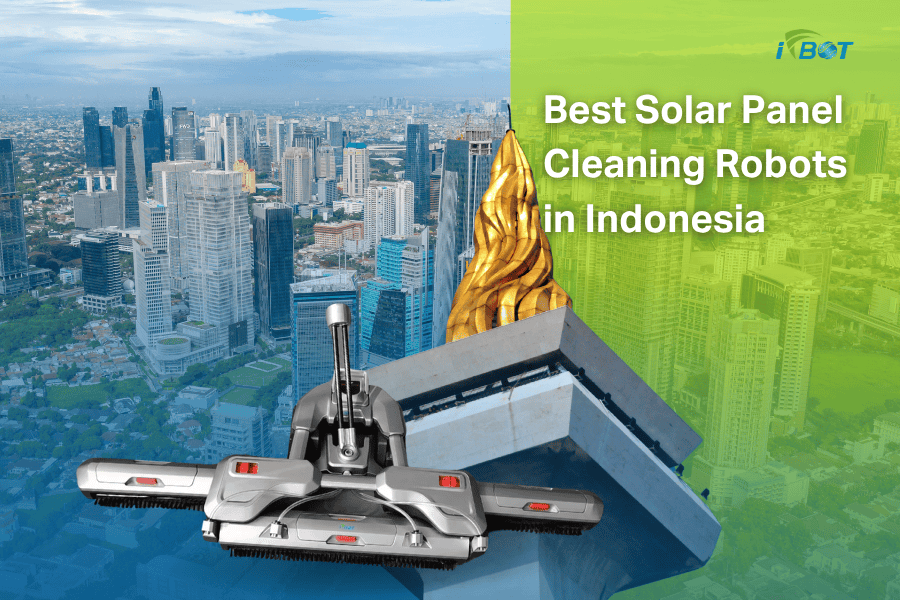
Best Solar Panel Cleaning Robots in Indonesia
Indonesia’s solar sector is moving from early adoption to scaled deployment. By the end of 2025, the country’s cumulative solar capacity reached 1.49 GW, and industry groups reported that installed solar capacity had already surpassed 1 GW by May 2025. That matters because as solar capacity grows, maintenance quality becomes a business issue, not just an operations task. Cleaner panels help preserve generation, improve asset performance, and support broader sustainable energy technologies and environmental sustainability solutions across commercial, industrial, and utility-scale projects.
Indonesia is rapidly expanding its solar energy capacity as businesses, industrial facilities, and utilities adopt renewable power to reduce energy costs and carbon emissions. As solar installations grow across the country, maintaining solar panel efficiency becomes a critical operational priority.
Dust, humidity, pollution, and tropical weather conditions can significantly affect solar panel performance. Without regular maintenance, solar panels can lose a noticeable portion of their energy output due to accumulated dirt and debris.
This is why solar panel cleaning robots are becoming an essential part of modern solar maintenance strategies in Indonesia. These automated systems help solar operators maintain peak energy production while supporting broader goals around sustainable energy technologies and environmental sustainability solutions.
For buyers in Indonesia, the best solar panel cleaning robot is not simply the one with the biggest motor or the most aggressive brush. The right machine needs to match local realities: tropical humidity, dust, industrial residue, rooftop access constraints, operator safety, water use, and the practical question of whether the product is actually obtainable in the Indonesian market through direct quote, localized storefront support, or international purchasing channels.
This guide explains the challenges solar operators face in Indonesia, how robotic cleaning technology works, and why solutions like the IFBOT M20 solar panel cleaning robot are increasingly used in commercial and utility-scale solar projects.
Solar Cleaning Challenges in Indonesia
Solar panel cleaning in Indonesia presents several unique challenges due to environmental conditions and installation types.
Tropical climate and humidity
Indonesia’s tropical climate combines high humidity with airborne dust and organic particles. Moisture can cause dirt to stick to solar panels more strongly, forming stubborn residue that rainfall alone cannot remove.
Urban pollution and industrial dust
Solar installations near industrial zones or urban environments often accumulate pollution particles, soot, and fine dust that gradually reduce panel efficiency.
Large rooftop solar installations
Many commercial and industrial facilities in Indonesia install solar panels on rooftops. Cleaning these installations manually can be difficult, time-consuming, and potentially unsafe for maintenance workers.
Growing solar farms
Utility-scale solar farms are expanding across Southeast Asia. Maintaining large arrays of panels requires scalable solutions that manual cleaning teams cannot easily handle.
Because of these factors, solar operators are increasingly turning to robotic solar panel cleaning systems to maintain performance reliably and safely.
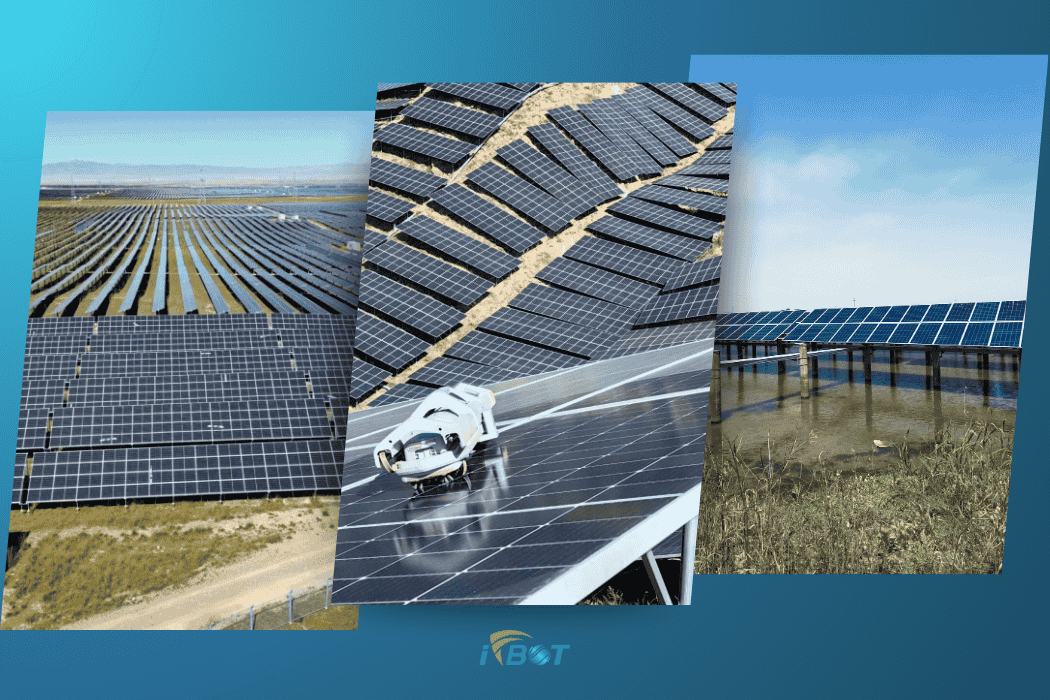
Why Robotic Cleaning Is Essential for Modern Solar Projects
Robotic solar cleaning is not simply a convenience. It is becoming a key operational component for efficient solar energy systems.
Consistent energy production
Even a thin layer of dust can reduce solar output. Robotic cleaning ensures panels remain clean and capable of generating maximum electricity.
Reduced labor risk
Manual cleaning often requires workers to access elevated rooftops or large solar arrays. Robotic cleaning systems significantly reduce safety risks by automating the process.
Scalable maintenance
As solar installations grow larger, manual cleaning becomes impractical. Robots can clean hundreds or thousands of square meters efficiently.
Operational efficiency
Automated cleaning reduces downtime and ensures maintenance can be performed regularly without disrupting energy production.
Because of these advantages, robotic cleaning systems are increasingly recognized as a critical technology supporting sustainable energy infrastructure.
Types of Solar Panel Cleaning Robots
Not all solar cleaning robots are designed the same way. Different technologies are used depending on the installation environment and cleaning requirements.
Dry cleaning robots
Dry cleaning robots use rotating brushes to remove dust without water. These systems are typically used in areas with minimal dirt accumulation or where water access is limited.
Wet cleaning robots
Wet cleaning robots combine brushes with water spraying to remove stubborn dirt, mud, or pollution residue. This approach is often more effective in humid environments where contaminants adhere strongly to panel surfaces.
Autonomous cleaning robots
Autonomous robots can navigate solar panels independently using sensors and programmed routes. This reduces operator involvement and improves efficiency.
Remote-controlled cleaning robots
These robots are controlled by operators using remote systems and are typically used for more complex solar installations.
Understanding these different approaches helps solar operators choose the best solution for their specific project conditions.
What Features Matter Most When Choosing a Solar Cleaning Robot
When evaluating solar panel cleaning robots for projects in Indonesia, several technical factors should be considered.
Cleaning efficiency
The robot should provide strong cleaning coverage and remove dirt effectively without damaging the panels.
Safety mechanisms
Reliable robots include fall protection systems and sensors that detect edges or obstacles.
Battery endurance
Long battery life ensures the robot can clean large areas without frequent interruptions.
Lightweight design
Portable systems are easier to deploy on rooftops or different sections of solar installations.
Water efficiency
Modern systems should minimize water usage while still achieving deep cleaning results.
These factors determine whether a robot can operate efficiently in real-world solar maintenance environments.
Why IFBOT M20 Fits Indonesian Solar Projects
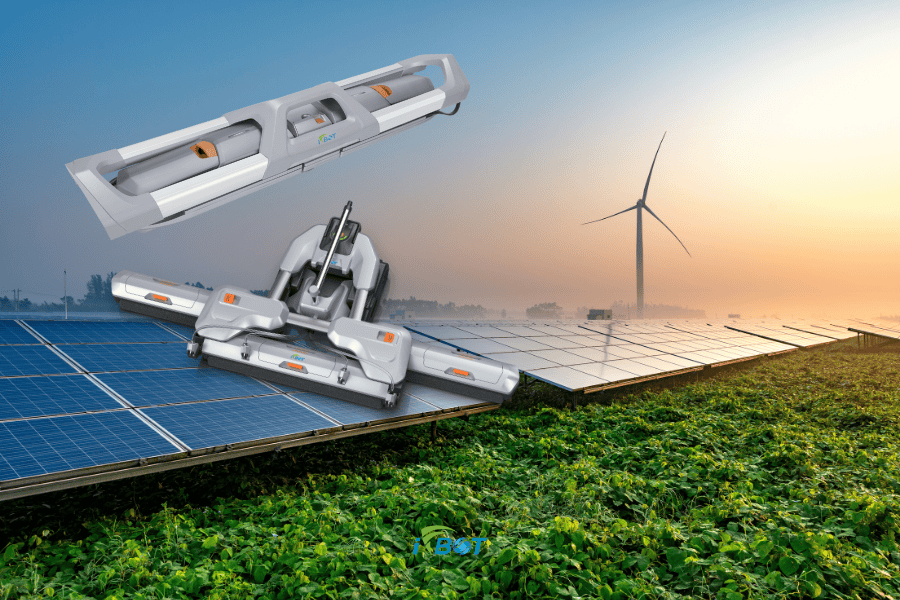
Among the latest robotic cleaning solutions available today, the IFBOT M20 solar panel cleaning robot is designed specifically to address many of the operational challenges faced by solar operators.
The IFBOT M20 combines portability, intelligent cleaning technology, and strong safety features to support efficient solar maintenance.
Lightweight and portable design
Weighing approximately 12.7 kg, the IFBOT M20 can be easily transported and deployed across rooftop and ground-mounted solar installations.
High cleaning productivity
The system can clean up to 1000 square meters per hour, making it suitable for large commercial solar installations.
Dual-brush wet cleaning system
The M20 uses a dual-brush mechanism with controlled water spraying to remove stubborn dirt, dust, and pollution residue that dry cleaning systems may struggle to eliminate.
Autonomous cruise cleaning mode
The robot can operate autonomously across panel rows, reducing operator workload and improving efficiency.
Advanced fall protection
Triple-layer safety protection helps prevent falls or operational hazards when cleaning solar arrays.
These features make the IFBOT M20 a practical and reliable solution for solar maintenance in Indonesia’s climate and installation environments.
Sustainability Impact of Robotic Solar Panel Cleaning
Solar energy is already a key pillar of the global transition toward clean power. However, maintaining solar installations efficiently is just as important as building them.
Robotic solar panel cleaning contributes to sustainability in several ways.
Maximizing renewable energy output
Clean panels generate more electricity, improving the efficiency of renewable energy infrastructure.
Reducing water consumption
Modern robotic cleaning systems are designed to use water efficiently while still providing effective cleaning.
Lower operational emissions
Automated cleaning reduces the need for transport vehicles and large maintenance teams traveling to solar sites.
Supporting long-term solar performance
Consistent maintenance helps extend the lifespan of solar panels and ensures stable long-term energy production.
By combining automation with intelligent cleaning technology, robotic systems help solar operators achieve both operational efficiency and environmental sustainability.
The Future of Solar Panel Maintenance in Indonesia
Indonesia’s solar market is expected to continue expanding as the country invests in renewable energy and sustainable infrastructure.
As solar capacity grows, maintenance technology will become increasingly important to ensure reliable power generation.
Robotic solar panel cleaning systems will likely play a central role in this transition, helping solar operators maintain high performance while supporting the broader adoption of sustainable energy technologies and environmental sustainability solutions.
Solutions such as the IFBOT M20 solar panel cleaning robot demonstrate how advanced automation can simplify solar maintenance while improving safety, efficiency, and sustainability.
FAQ
How Often Should Solar Panels Be Cleaned in Indonesia?
The cleaning frequency of solar panels in Indonesia depends on environmental conditions, installation type, and surrounding activities. However, due to the country’s tropical climate, humidity, and dust levels, solar panels typically require cleaning every 1–3 months to maintain optimal performance.
Several factors influence cleaning frequency:
Dust and airborne particles: Urban environments, construction areas, and industrial zones can cause dust and pollution to accumulate quickly on solar panels.
Humidity and organic residue: Indonesia’s humid climate allows dust to adhere more strongly to panel surfaces. Moisture can also lead to organic residue buildup that rainfall alone cannot remove.
Rooftop installations: Commercial rooftop systems often collect dirt, bird droppings, and pollution particles that gradually reduce energy output.
Utility-scale solar farms: Large solar plants require systematic maintenance schedules to ensure panels remain clean and energy production remains stable.
Because manual cleaning can be labor-intensive and inconsistent, many solar operators now rely on robotic solar panel cleaning systems to maintain predictable cleaning cycles and protect energy output.
How Much Energy Can Dirty Solar Panels Lose?
Solar panels that are not cleaned regularly can lose 5% to 30% of their energy output, depending on environmental conditions and the level of soiling.
Common causes of performance loss include:
Dust accumulation
Pollution particles
Bird droppings
Organic residue from humidity
Industrial contamination
Even a thin layer of dust can block sunlight from reaching solar cells, reducing the amount of electricity generated.
In tropical regions such as Indonesia, where humidity causes dirt to adhere more strongly to panel surfaces, the performance impact can become significant if cleaning is delayed.
Regular cleaning helps restore panel efficiency and ensures solar installations deliver the maximum possible renewable energy output.
This is one reason why robotic cleaning systems are becoming an important part of modern solar maintenance strategies.
Are Solar Panel Cleaning Robots Worth the Investment?
Yes, solar panel cleaning robots are increasingly considered a cost-effective investment for commercial and utility-scale solar projects.
While manual cleaning may appear cheaper initially, robotic cleaning provides several long-term advantages.
Improved energy generation: Clean panels produce more electricity, which increases the return on investment of solar installations.
Reduced labor costs: Robots significantly reduce the need for manual cleaning teams, especially for large solar arrays.
Enhanced safety: Robotic cleaning reduces the need for workers to climb rooftops or access difficult areas.
Consistent maintenance schedules: Automated cleaning systems can operate regularly and predictably, ensuring panels remain clean throughout the year.
Scalable solar operations: As solar installations grow larger, robotic systems allow operators to maintain thousands of panels efficiently.
Because of these benefits, robotic cleaning technology is becoming an essential tool for solar operators focused on sustainable energy technologies and long-term operational efficiency.

Final Thought
If you want to improve the efficiency and sustainability of your solar installations in Indonesia, discover how IFBOT robotic solar cleaning solutions can help.
Explore the IFBOT M20 and learn how automated solar maintenance can support long-term renewable energy performance.