
Why Lightweight Solar Cleaning Robots Deliver Real ROI
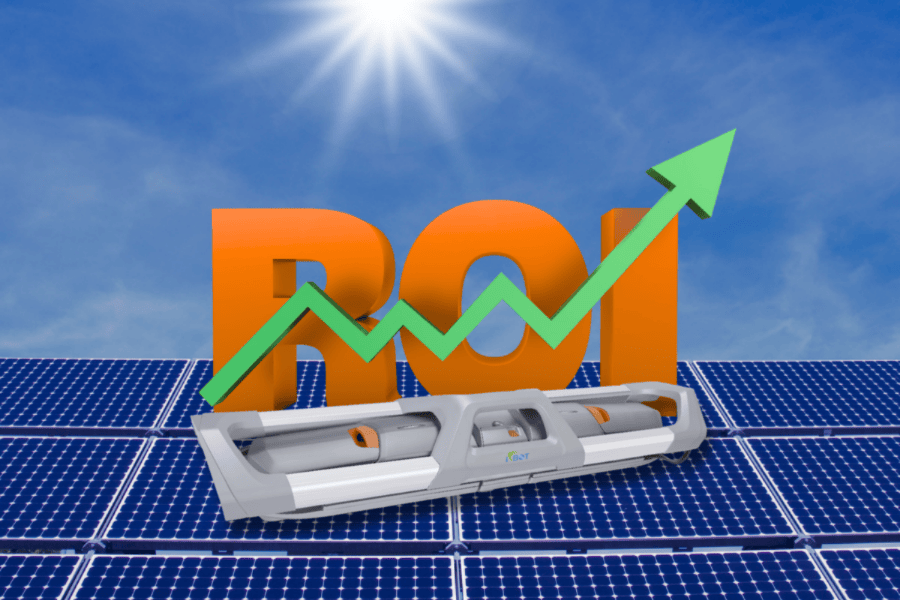
IFBOT designs and manufactures solar panel cleaning robots for one simple goal: make large-scale solar panel maintenance safer, faster, and more reliable in real-world conditions.
One of the most talked-about claims behind our robots is that they are up to 80% lighter than conventional alternatives.
This article explains why that number matters in practice, not just on a datasheet—and how lightweight design directly improves performance, safety, and return on investment across solar installations.
Lightweight Robot Design: Why 80% Lighter Matters
When people ask “Does robot weight really matter?”, what they’re often trying to understand is this:
Will it actually make my solar plant easier to operate, safer for my team, and cheaper to maintain?
The short answer is yes—and here’s why.
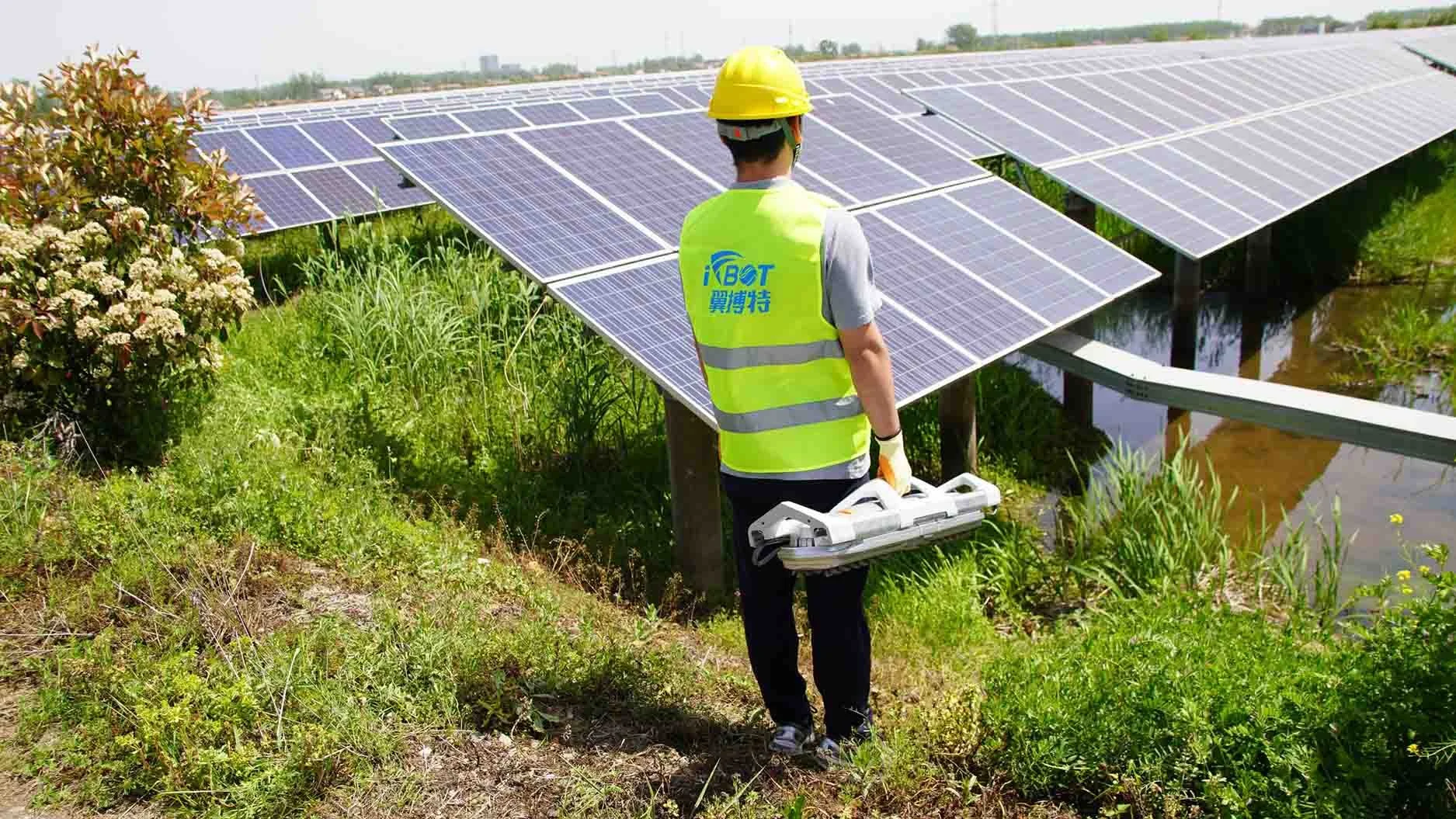
The Hidden Cost of Heavy Cleaning Robots
Traditional solar panel cleaning machines tend to rely on mass for stability. That approach creates problems operators feel every day:
Structural load limits on rooftops and trackers
Increased risk of microcracks in panels
More manpower required for deployment
Slower cleaning cycles and higher fatigue
Restrictions on high-tilt or fragile installations
In many cases, heavy robots are simply not allowed on certain rooftops or floating and lightweight structures.
This is where solar panel maintenance innovation starts with weight reduction—not power.
How IFBOT Achieves an 80% Lighter Design
IFBOT’s engineering approach focuses on efficiency over brute force. Instead of adding mass, the robots rely on:
1. Optimized Structural Engineering
High-strength, lightweight materials are used only where needed. Every gram has a function.
2. Balanced Load Distribution
Weight is spread evenly across the panel surface, reducing point pressure and panel stress.
3. Intelligent Robotic Cleaning Mechanisms
Brush pressure, rotation speed, and contact angle are precisely controlled—so cleaning efficiency comes from design, not weight.
This is a core part of solar panel cleaning technology explained the IFBOT way: smart mechanics instead of excess mass.
Real-World Benefits of Lightweight Solar Cleaning Robots
Safer for Panels and Structures
Lower robot weight means:
Less stress on glass and frames
Reduced risk of microcracks
Safer operation on aging or thin panels
Easier Deployment and Faster Cleaning
Operators can:
Deploy robots with fewer people
Move faster between rows or rooftops
Reduce setup and removal time significantly
This directly lowers labor costs per cleaning cycle.
Works Where Heavy Robots Can’t
Lightweight design allows operation on:
High-tilt rooftops
Fragile commercial roofs
Lightweight trackers
Remote sites with limited manpower
This expands where automation is actually usable.
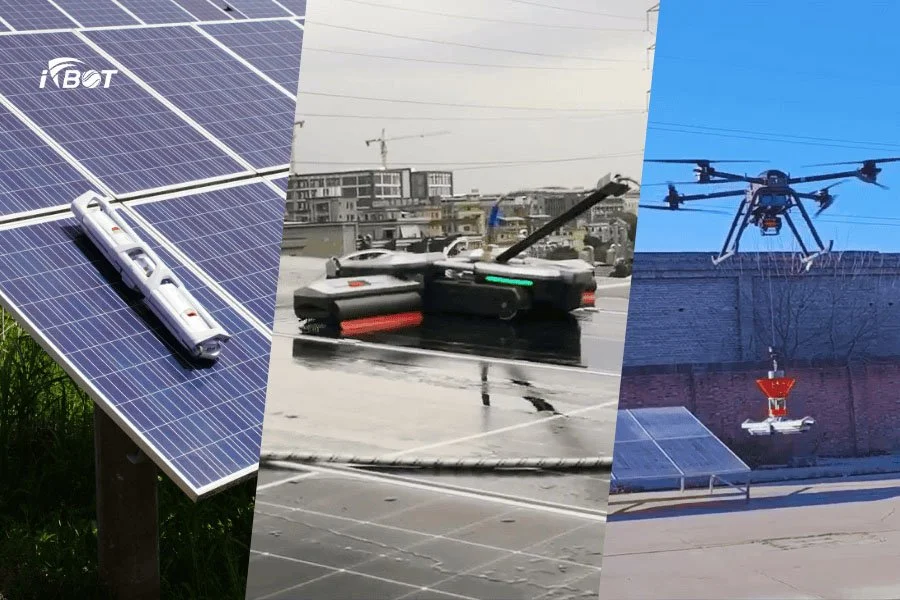
Lightweight Design Across IFBOT’s Product Range
IFBOT applies this design philosophy across all solutions:
IFBOT X3 – dry cleaning robot for dust-heavy, water-restricted environments
IFBOT M20 – water-based cleaning robot for stubborn dirt and industrial pollution
IFBOT UAV system – drone-integrated cleaning for hard-to-access installations
Each system is designed so weight reduction improves mobility, safety, and cleaning consistency, not just transport convenience.
👉 Learn more on the above product pages to compare which system fits your site best.
Lightweight Robots and Long-Term ROI
Many operators focus on cleaning speed. The bigger gains come over time:
Fewer damaged panels
Lower insurance and safety risk
Reduced labor dependency
Higher cleaning frequency without added strain
This is where solar panel maintenance innovation turns into measurable financial impact.
Common Questions Buyers Ask (and Real Answers)
Does lighter mean less powerful?
No. Cleaning efficiency depends on brush design, contact control, and motion—not mass.
Will lightweight robots slip on panels?
No. IFBOT robots use optimized traction and controlled movement for stability on tilt and dust.
Are lightweight robots durable?
Yes. Durability comes from material choice and stress distribution, not weight alone.
Proof in the Field
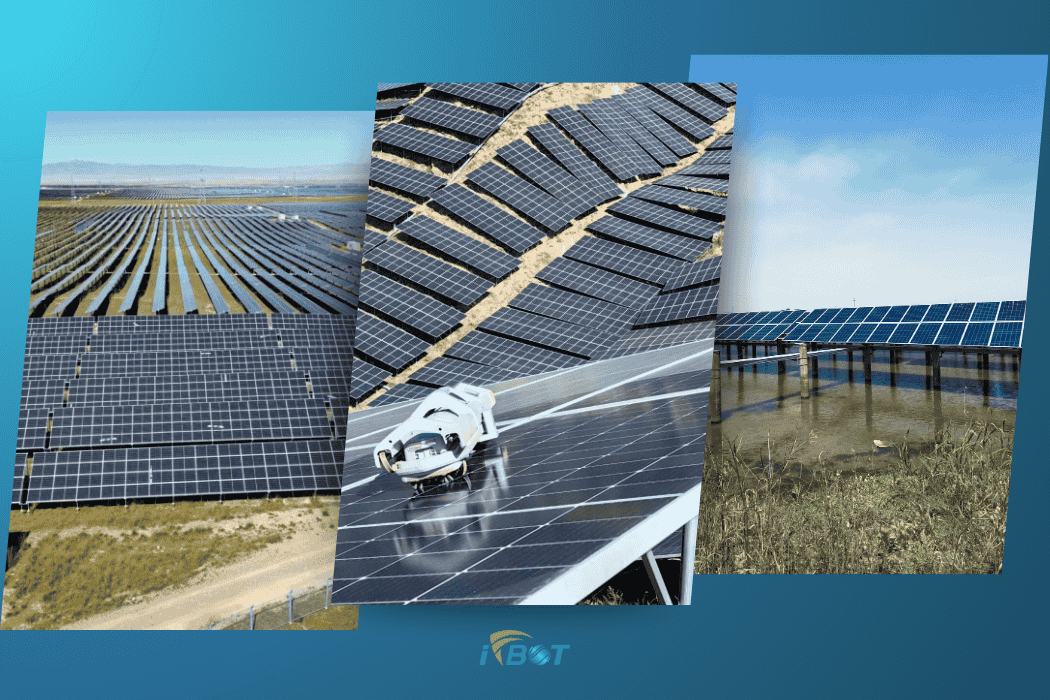
IFBOT robots are already deployed across:
Utility-scale solar plants
Commercial rooftops
Industrial facilities
High-dust and water-restricted regions
👉 Explore case studies to see how lightweight design performs in real operating conditions.
Choosing the Right Lightweight Cleaning Solution
If you’re evaluating solar cleaning automation, weight should not be an afterthought. It affects:
Where you can clean
How often you can clean
How safely your team operates
How long your panels last
IFBOT’s lightweight approach is not a marketing number—it’s an engineering decision built around real-world use.
Ready to See What Lightweight Design Can Do for Your Site?
👉 Visit the contact or request a quote page to discuss your solar installation and cleaning challenges with the IFBOT team.
Because in solar cleaning, lighter isn’t weaker—it’s smarter.